Selected Work
Projects that show how Japanese techniques, materials, and collaboration can move between craft, design, and art—and come to belong in contemporary life and space.
What These Projects Represent
Selected Work is not a catalog. It is a record of how works living between craft, design, and art are brought into context.Our work often begins with translation: between material and setting, tradition and contemporary use, Japanese making and North American context. These projects show different scales of that practice—from dining environments and lighting studies to textile collaborations and domestic use.
Case Study 1
Calico Wallpaper Dinner
Site-specific textile development for a shared table
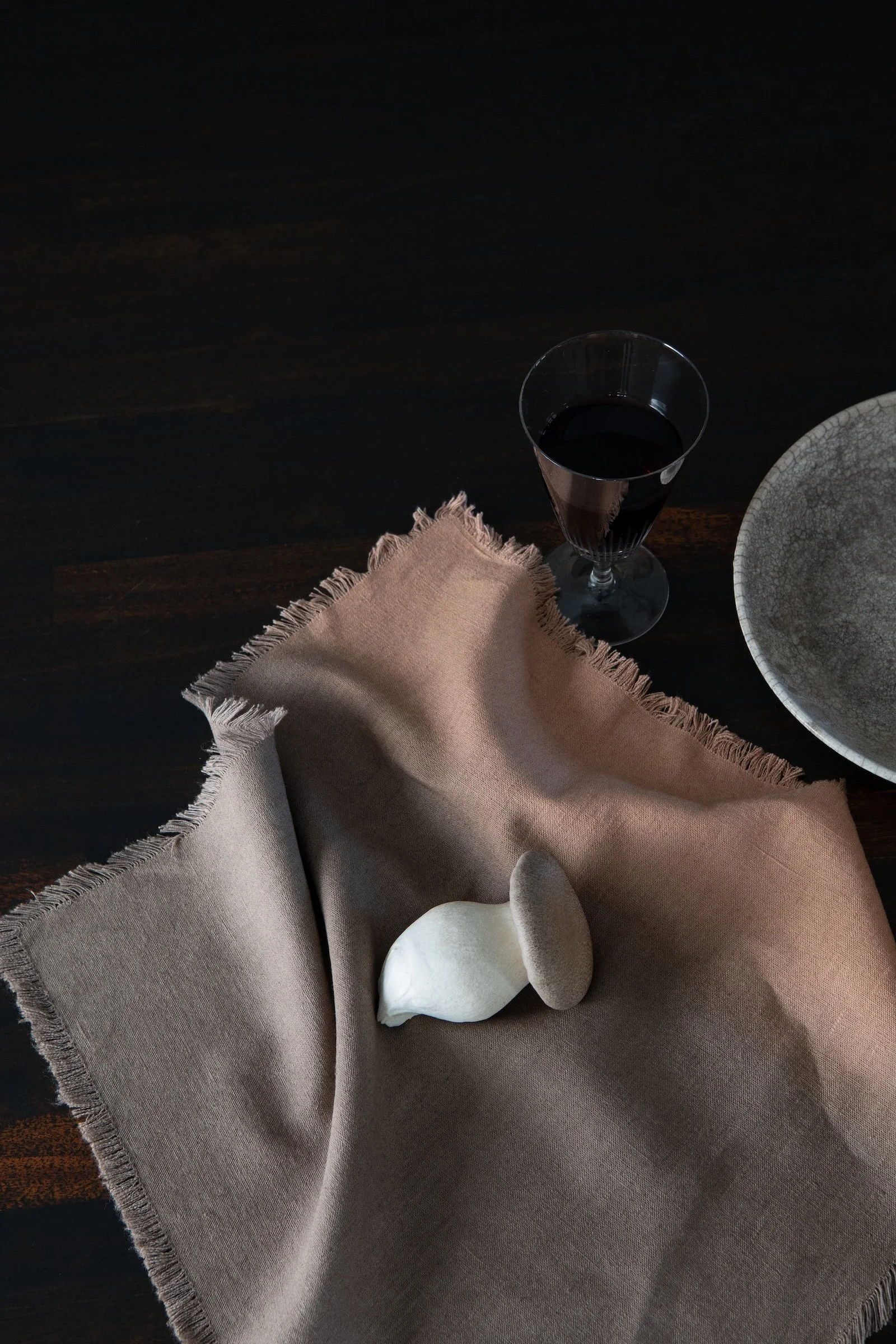
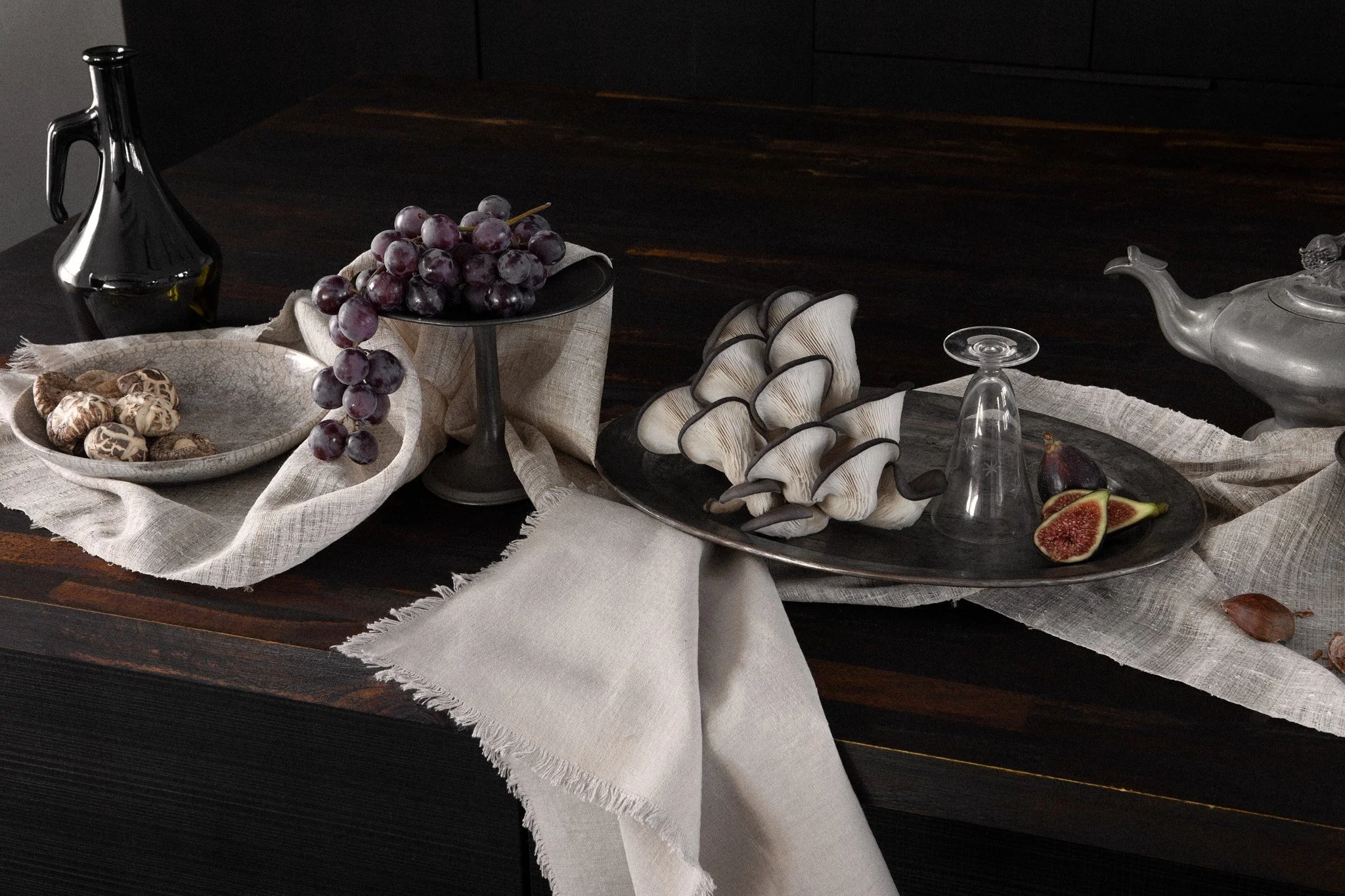
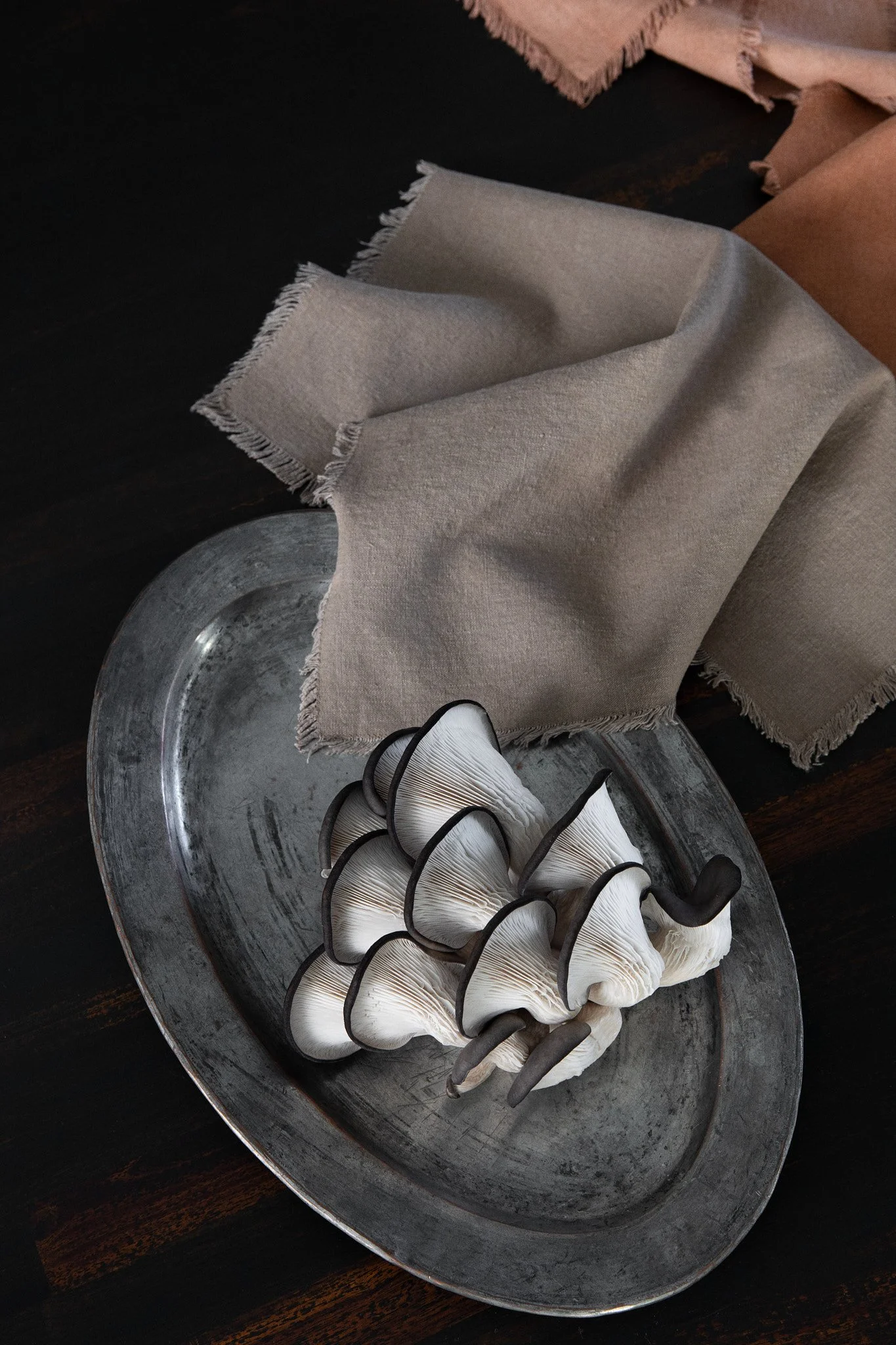
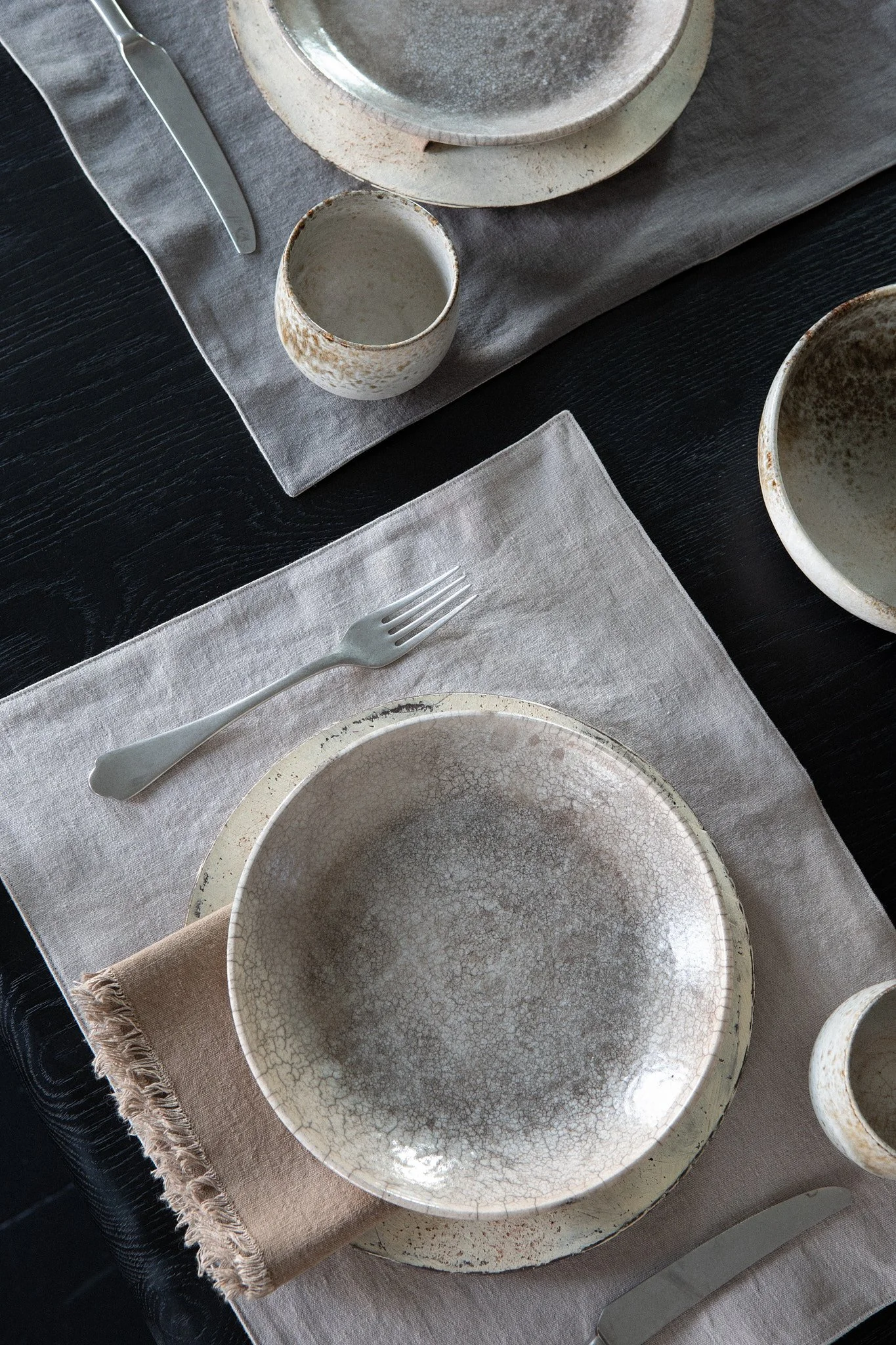
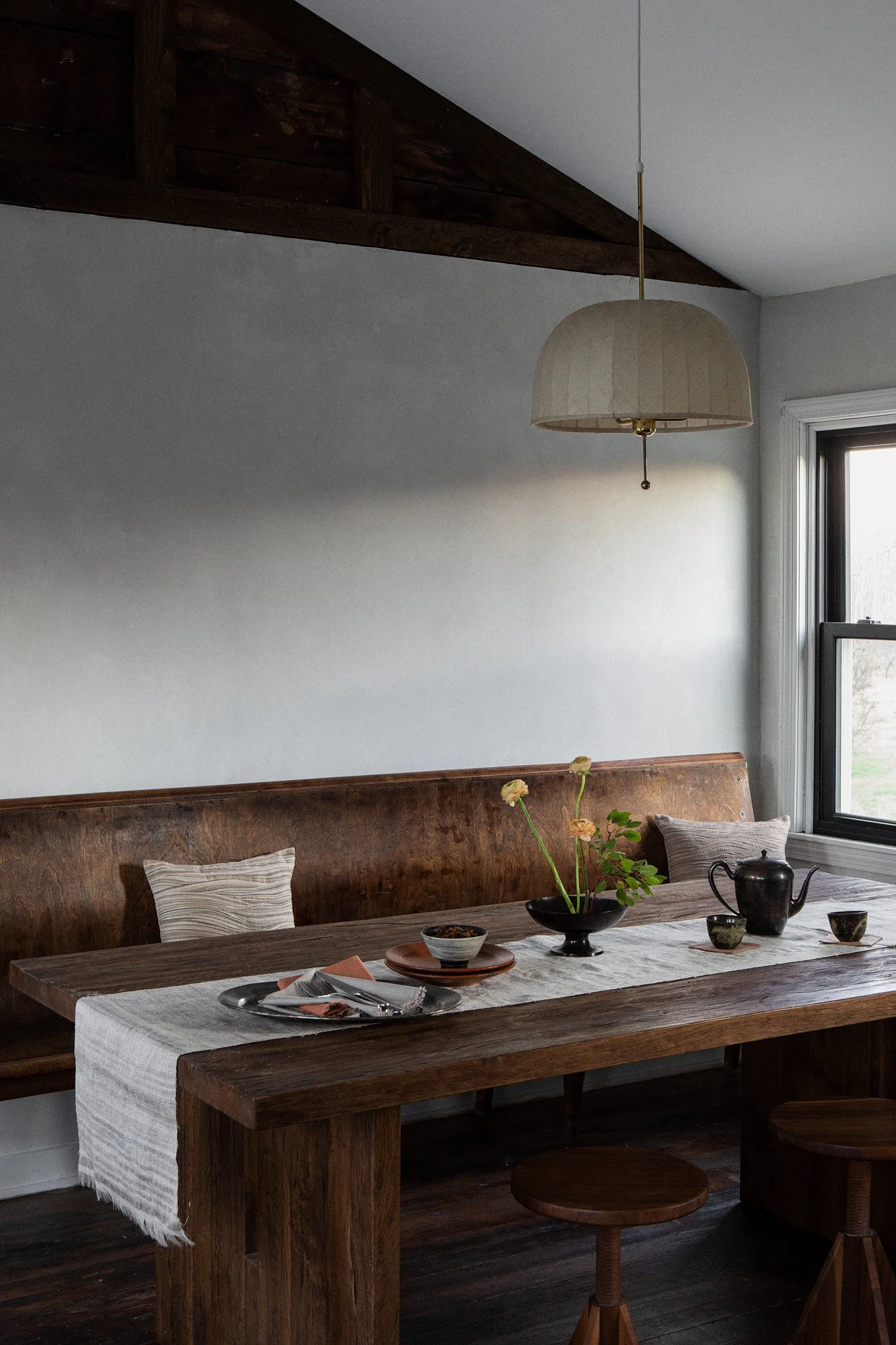
For a dinner collaboration with Calico Wallpaper, thé‑En developed hand-dyed Japanese linen for a spatially sensitive dining setting. The project reflected our interest in how textile, hospitality, and atmosphere can work together—not as backdrop, but as part of the experience itself.

Case Study 2
Ladies & Gentlemen Studio
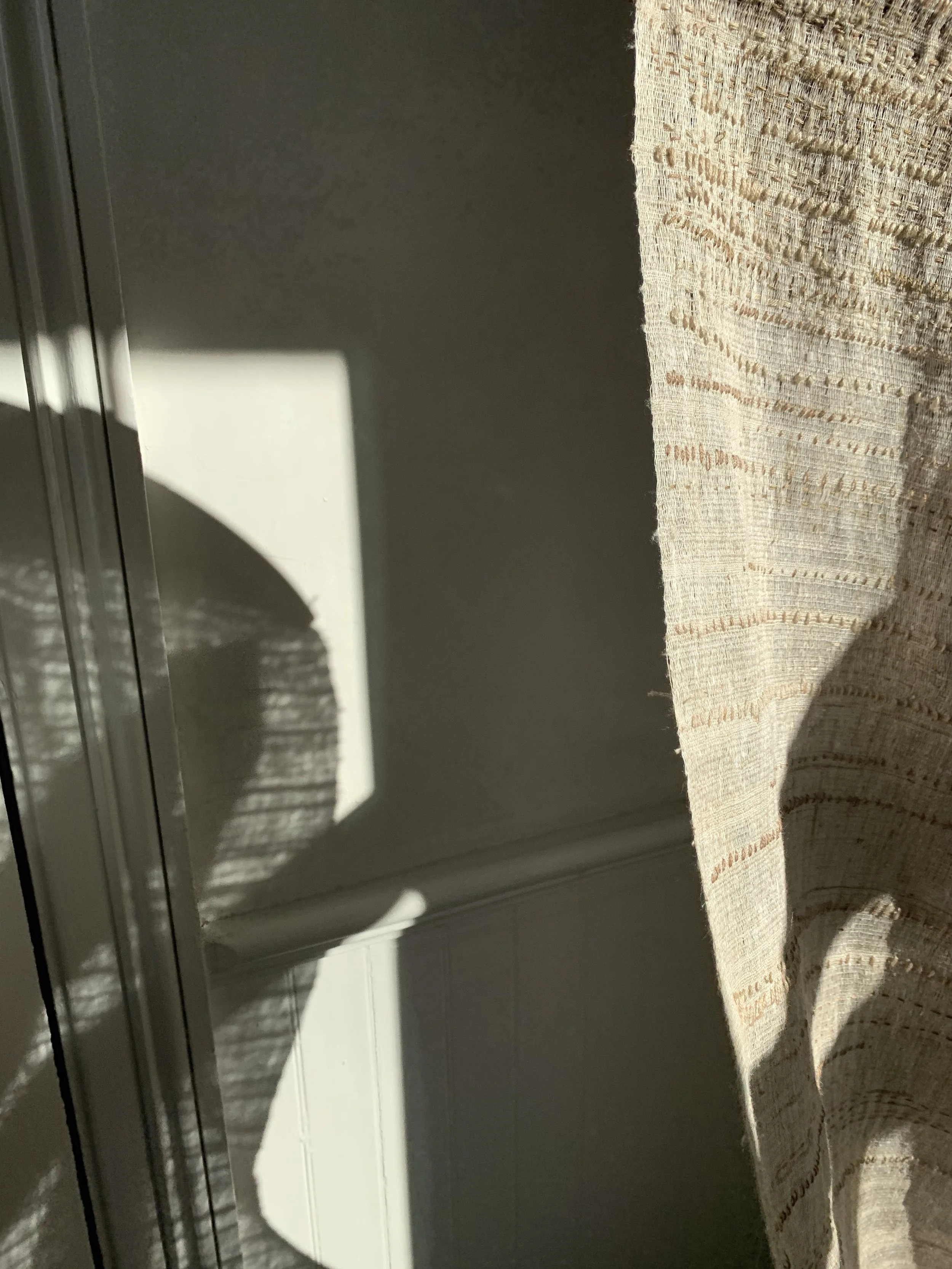
Exploring kurimayu silk in a contemporary lighting context
In collaboration with Ladies & Gentlemen Studio, thé‑En explored the use of kurimayu silk within a contemporary design language. The project demonstrates how traditional material intelligence can enter a new form without losing its integrity—and how a functional object can carry the presence of a work.

Case Study 3
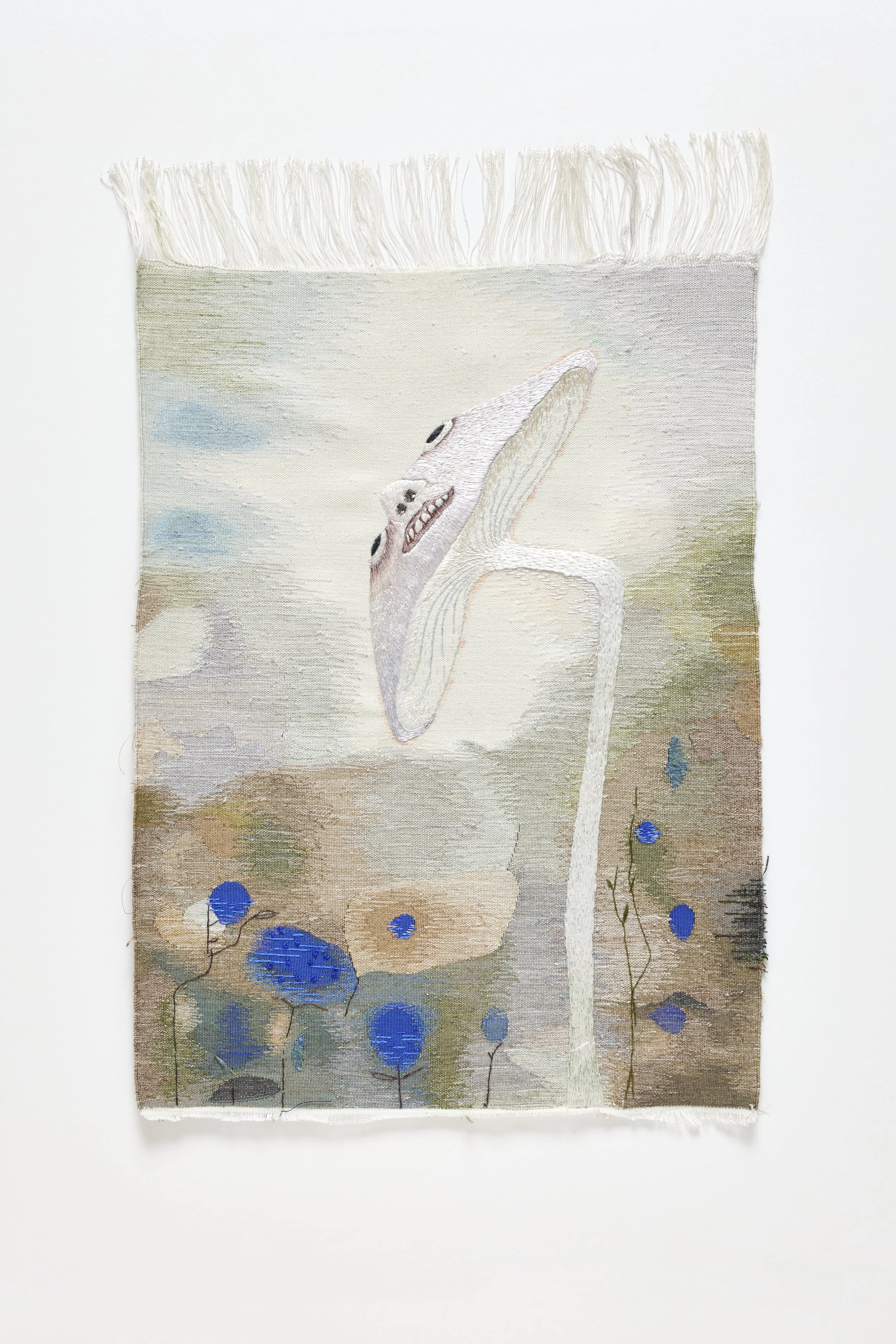
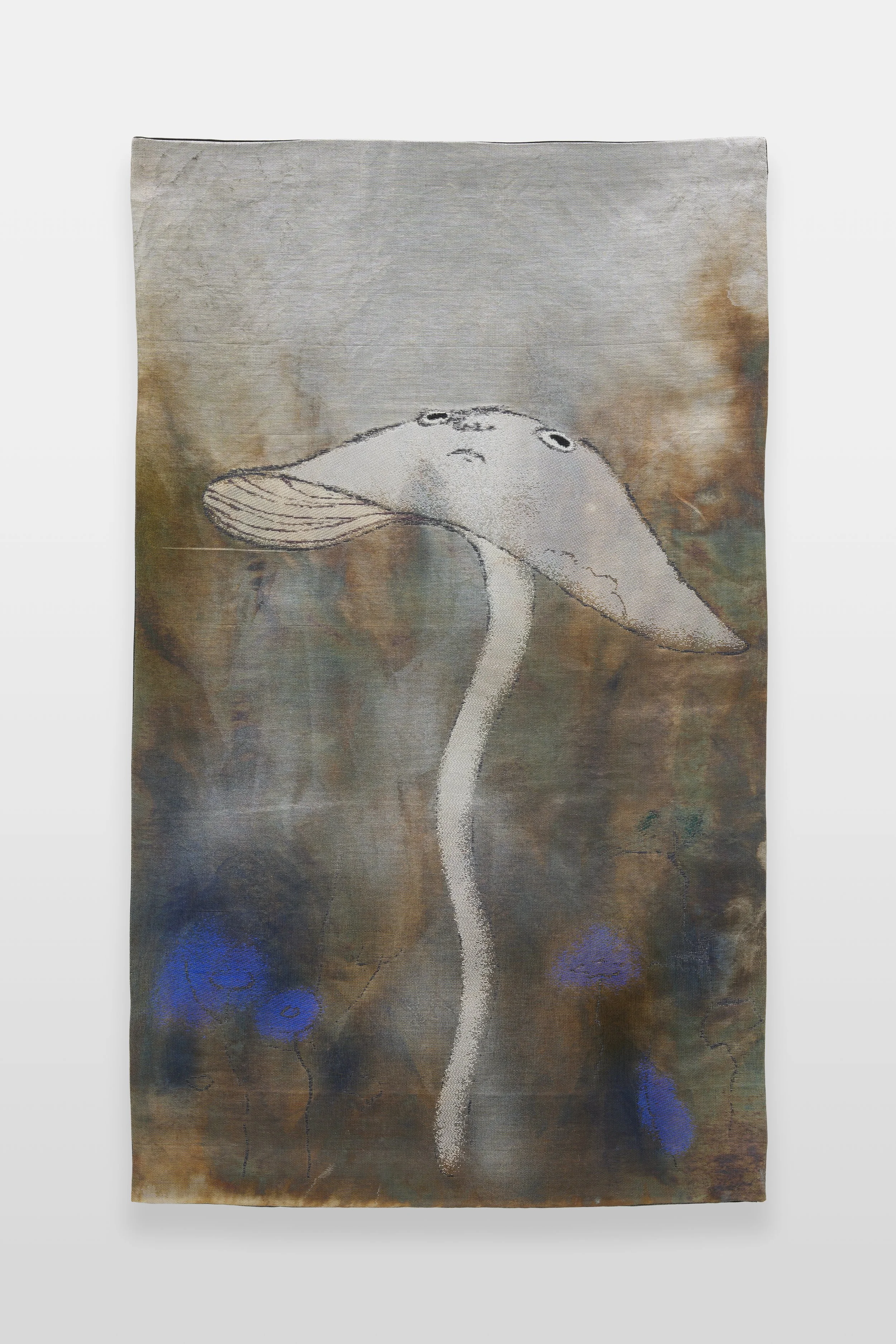
Sanya Kantarovsky for Taka Ishii Gallery Kyoto · Art Basel, Basel · 2023
Nishijin technique translated into an artistic context
This collaboration involved Japanese textile knowledge in dialogue with a contemporary artwork. Through Nishijin brocade and related techniques, the project reflects thé‑En’s role in bringing highly specialized making into new artistic and cultural frameworks.
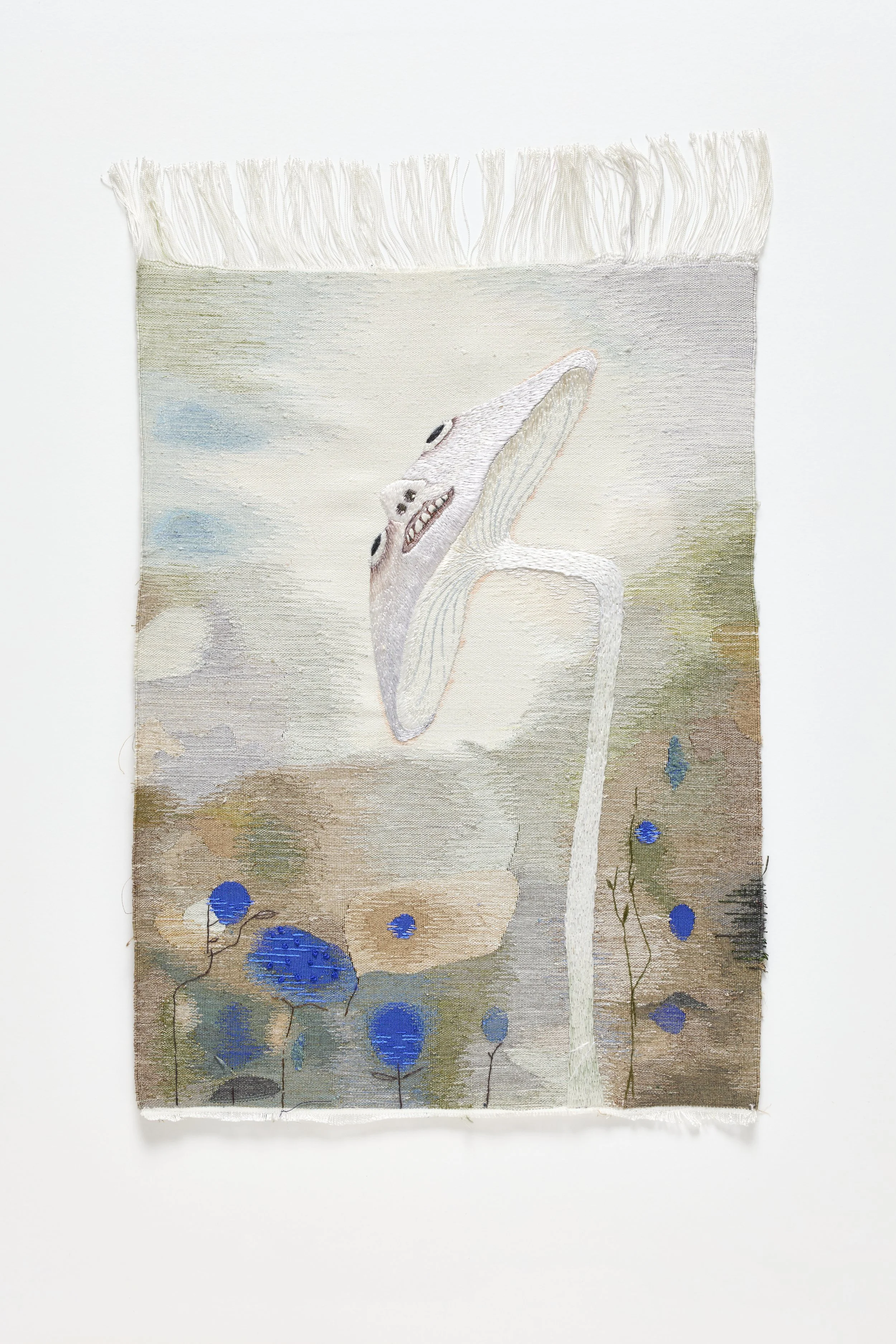
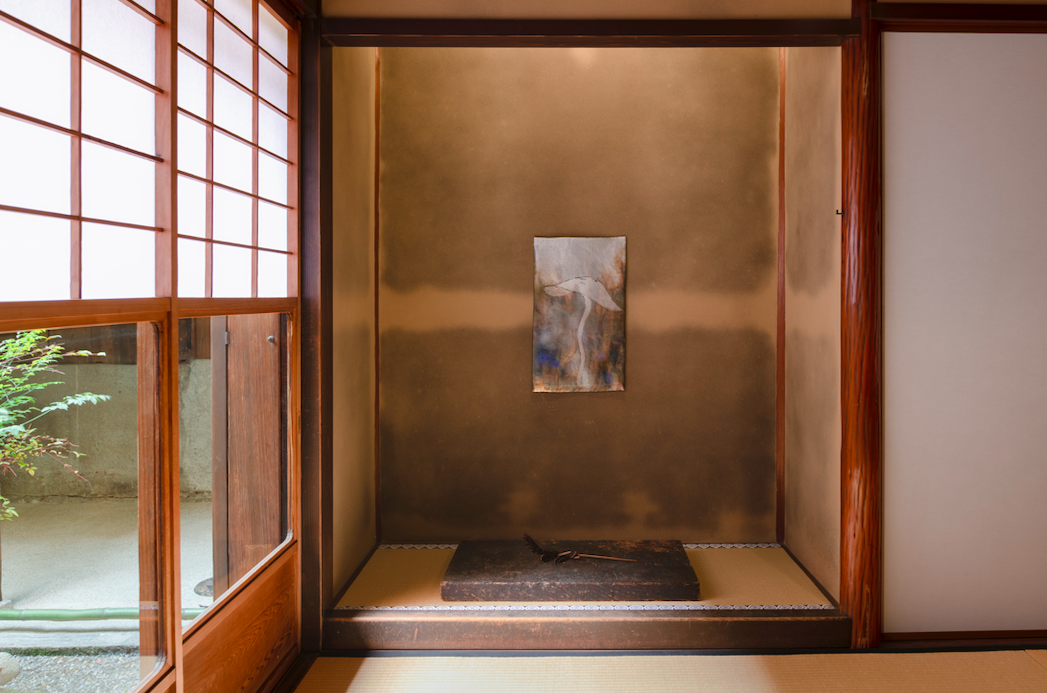
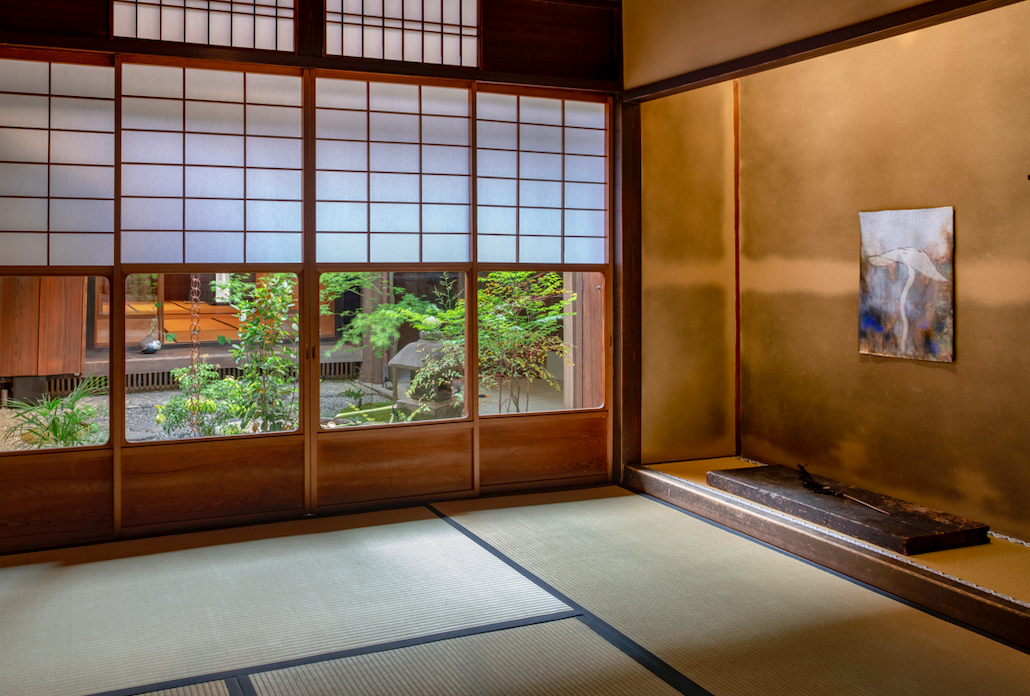
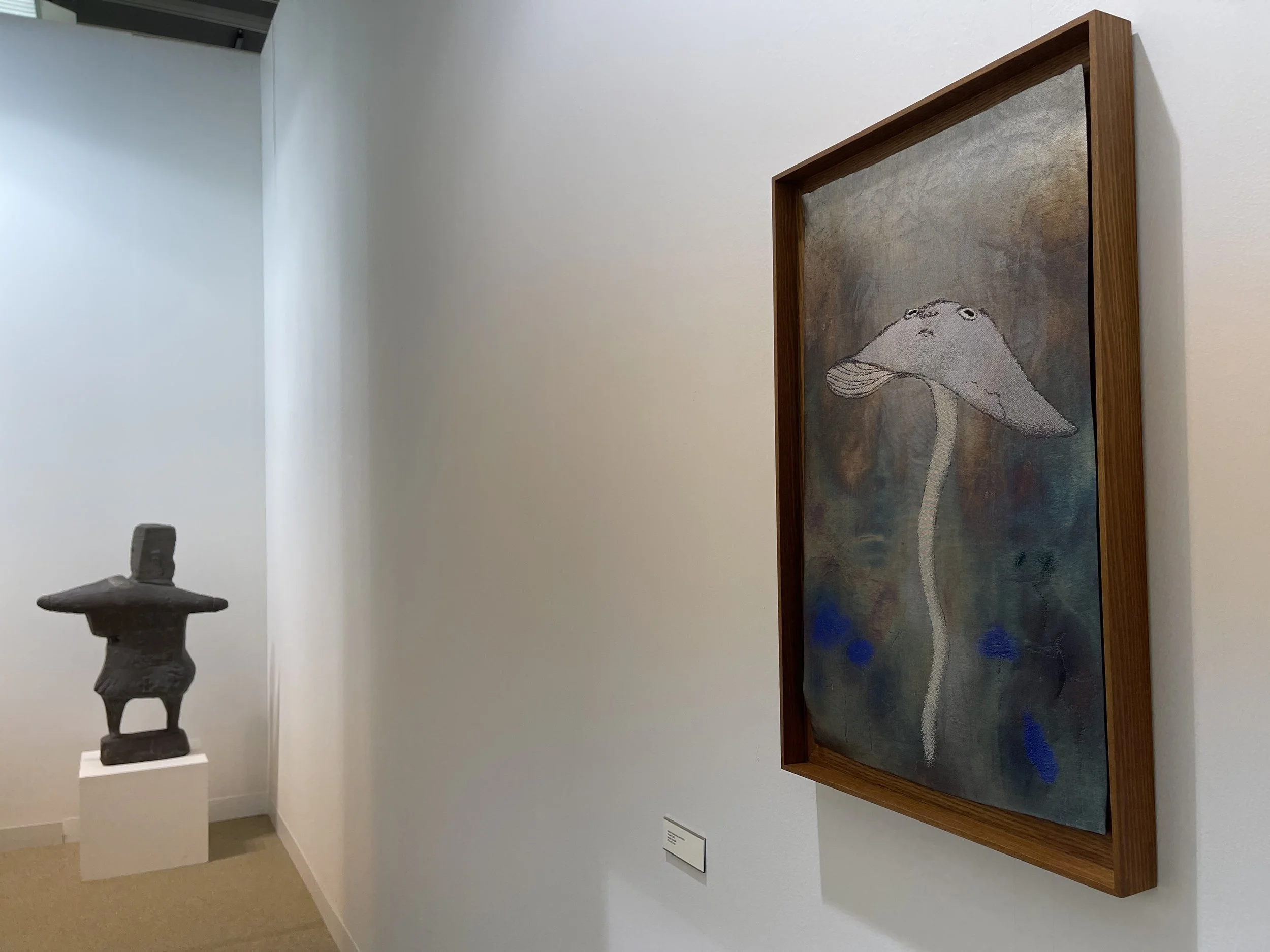
Two works were produced — one in Hikihaku, an ancient technique using lacquered foils of silver, platinum, and lapis lazuli cut into threads and woven into silk, with vintage foils over 50 years old that few living artisans can still work with; the other fully handwoven in Tsuzure-ori, naturally dyed with moss, leaves, mud, and fungi, and finished with hand embroidery. Both pieces are still changing color.
Both traveled to Art Basel, Basel, with Taka Ishii Gallery in June 2023.
Case Study 4
Morea Kitchen & Home Linen Development
Everyday textile culture, shaped for contemporary use
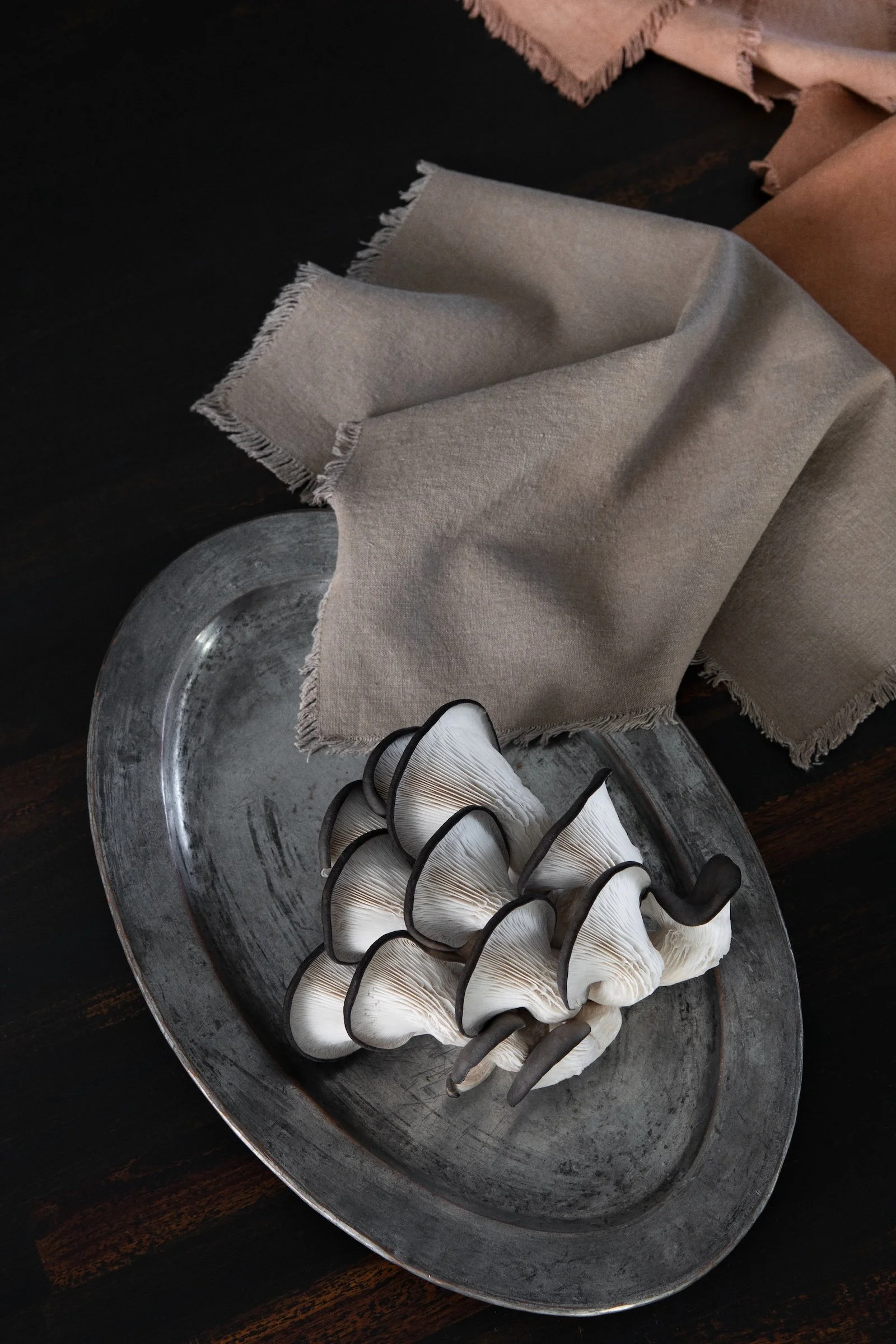
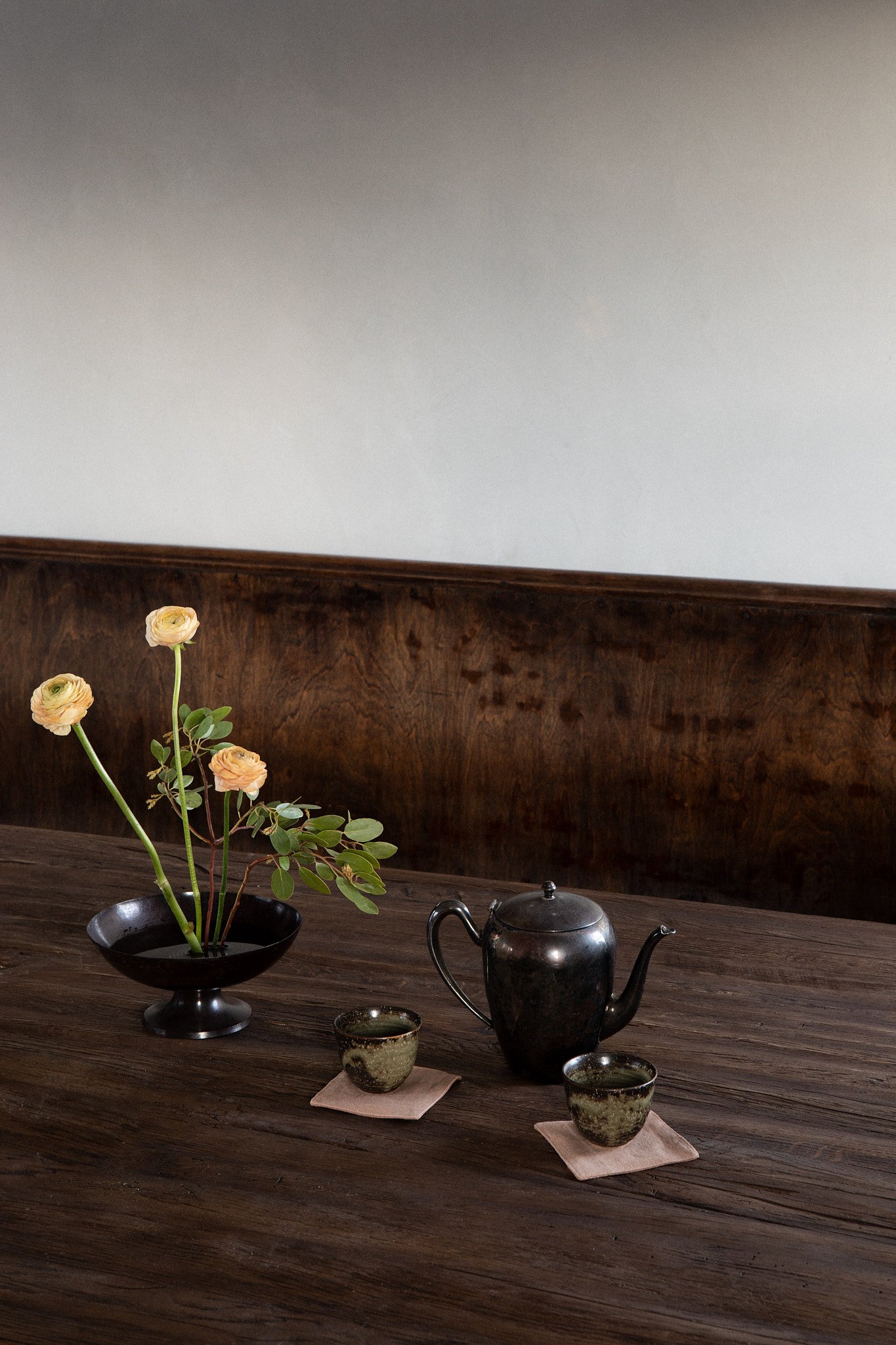
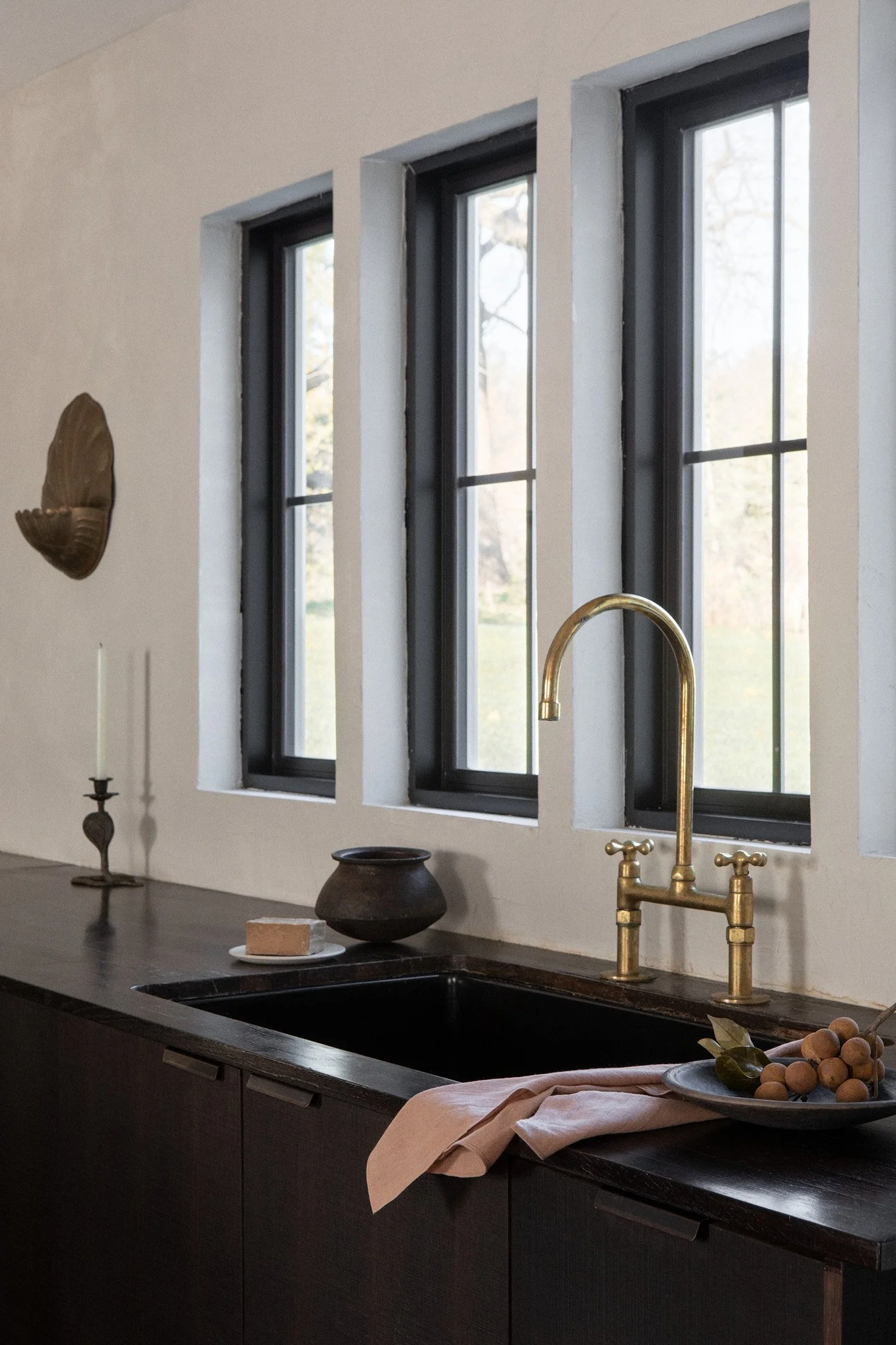
Alongside one-of-a-kind collaborations, thé‑En has also worked on kitchen and home linen collections that bring Japanese sensibility into daily domestic life. These projects are quieter in scale, but central to our thinking: how material care, use, and beauty live together in the home.
Case Study 5
Kondaya Genbei × Victoria and Albert Museum
Hikihaku Obi · Permanent Collection · London · 2020
Seven obi pieces crafted by Kondaya Genbei — one of Kyoto's most distinguished Nishijin textile houses — are now part of the permanent collection of the Victoria and Albert Museum, London, as part of their landmark kimono exhibition. The V&A produced a film in Kyoto documenting the Hikihaku technique — an ancient process in which lacquered foils of gold, silver, platinum, and lapis lazuli are applied to washi paper, cut into threads finer than hair, and woven into silk by hand. This project was led by thé-En's founder, working as a cultural consultant for Kondaya Genbei prior to the launch of thé-En.
Watch the V&A film below.
Beyond the Individual Project
Whether a project begins with a room, a material, an artwork, or a conversation, the process is similar: define the context, identify the right maker or technique, shape the development, and support the final placement. Selected Work is a record of how things can be made to belong—and how use and artistic presence can coexist.
If a project calls for care, context, and the right collaboration, let’s begin.
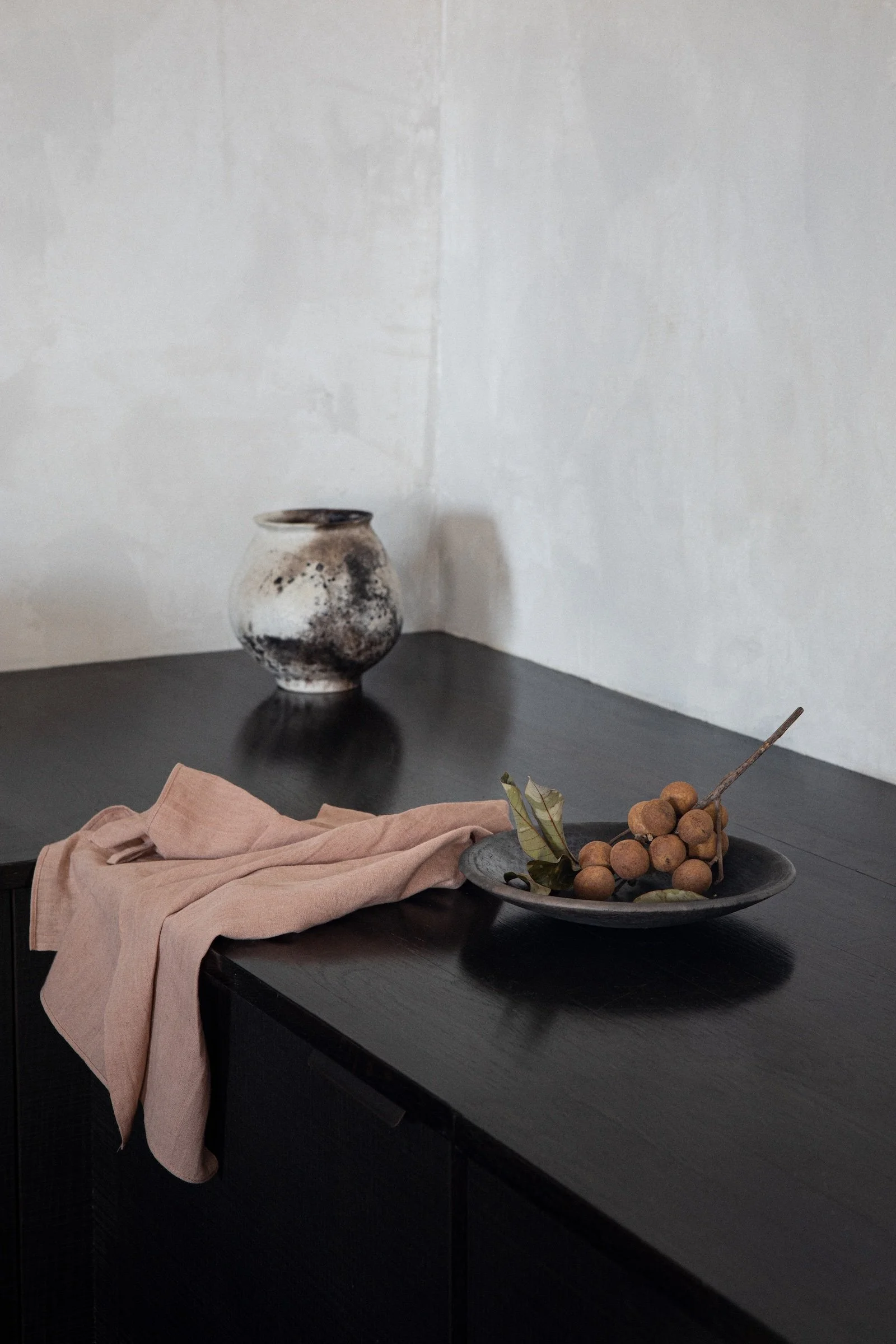
Kitchen Collection 2022
-
![]()
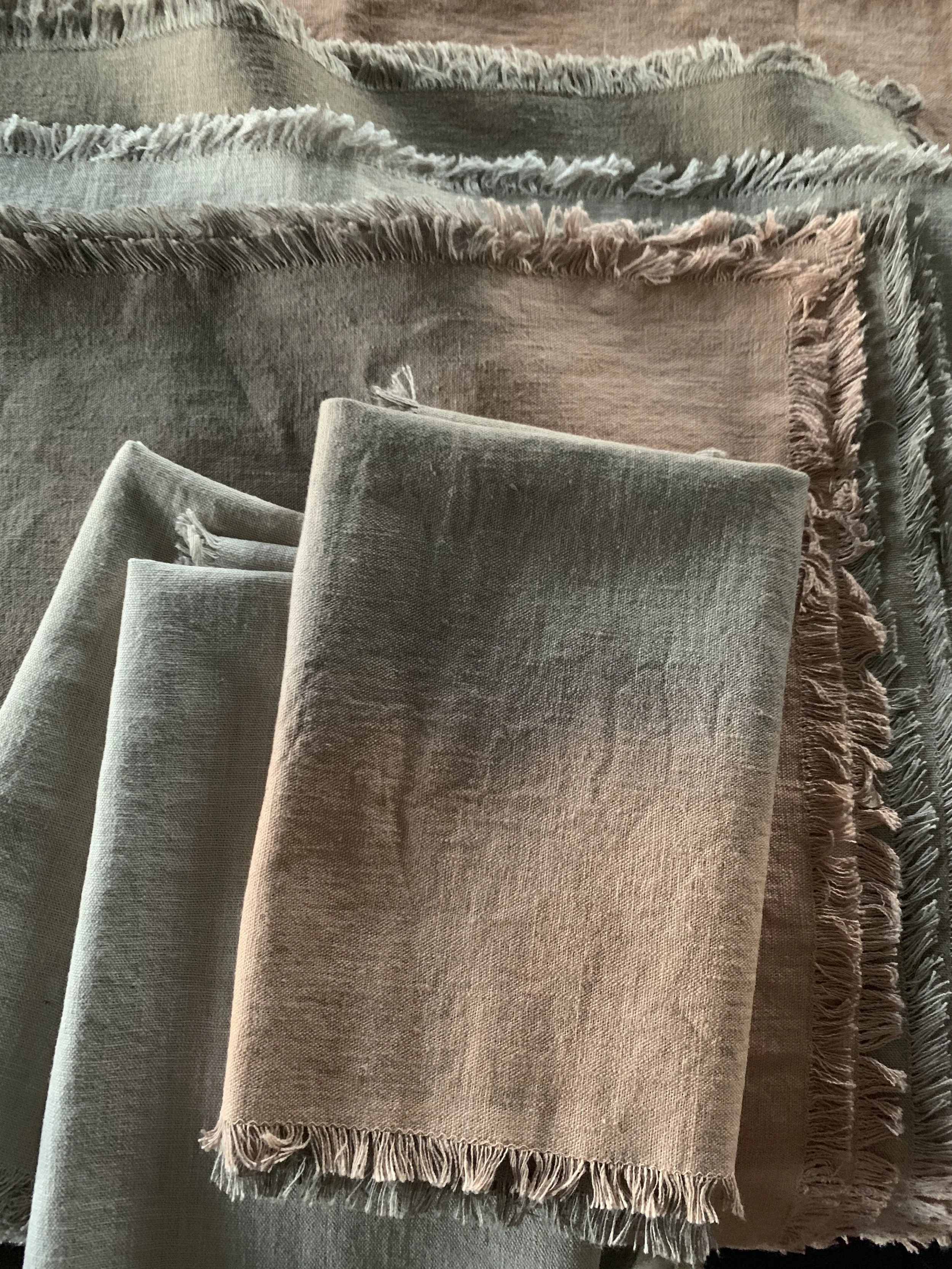
Fringed Napkin in linen. Plant dyed in guava and mud washed light
-
![]()
2 tone Double sided coasters in Shell Gingerand mud washed
-
![]()
Tea towel in Shell Ginger and mud washed
-
![]()
Fringed napkin plant dyed in guava and mud washed dark
-
![]()
New List Item2 tone Double sided placemat in guava and mud
-
![]()
Fringed ombre napkin
-
![]()
Handwoven wild chestnut silk table runner
Sanya Kantarovsky “Growth” in Nishjin Brocade.
-
![]()
"Growth" Sanya Kantarovsky #1 2023 Hikihaku Nishijin Brocade
-
![]()
"Growth" Sanya Kantarovsky #2 2023 Tzure ori and Japanese Emboidary
-
![]()
"Growth" Sanya Kantarovsky at Taka Ishii Gallery in Kyoto April 2023
-
![]()
"Growth" Sanya Kantarovsky at Taka Ishii Gallery Kyoto. April 2023
-
![]()
"Growth" at Art Basel with Taka Ishii Gallery. June 2023
-
![]()
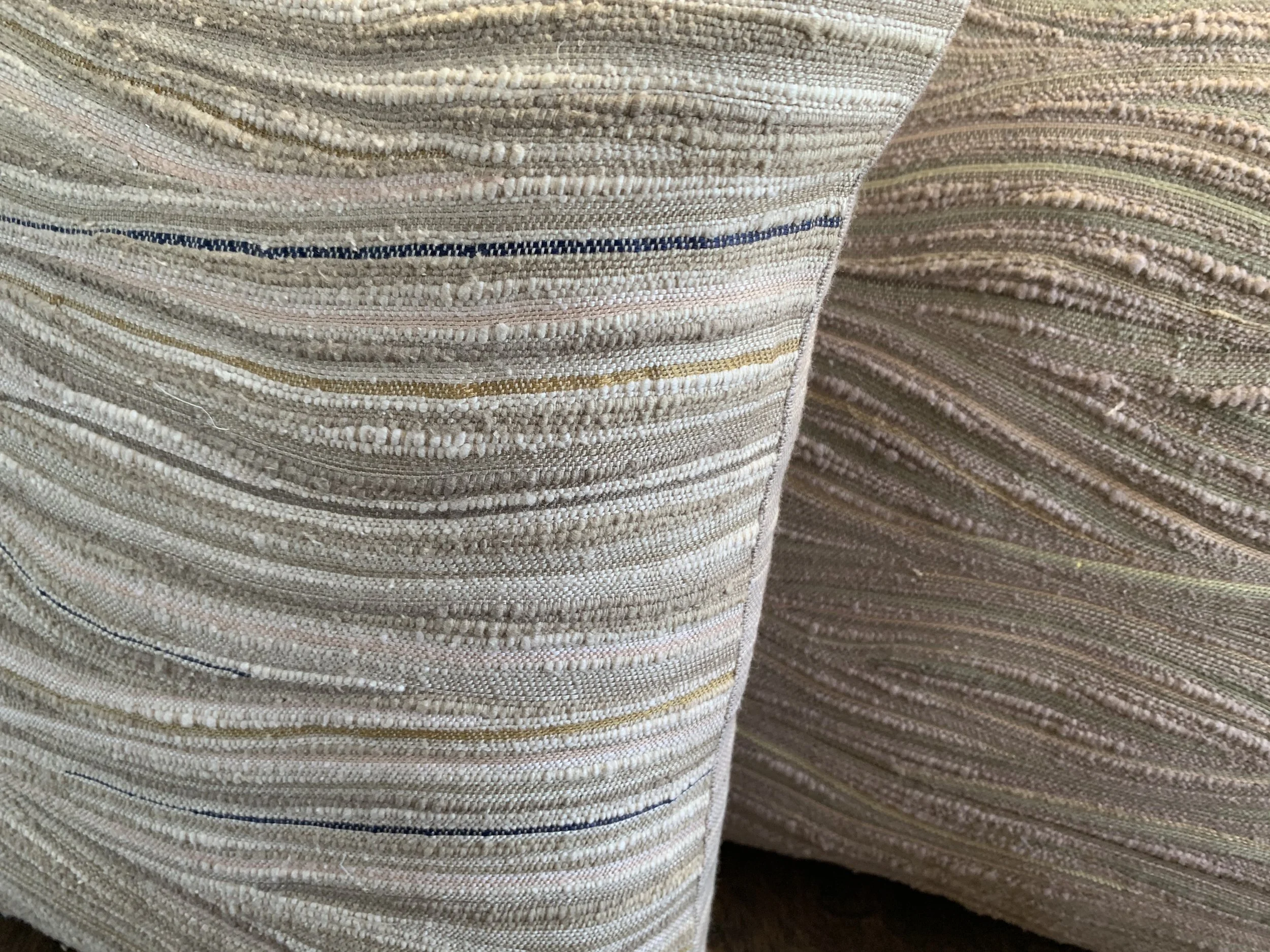
Hand woven, plant dyed silk pillow "Strata"
-
![]()
Wild astringent persimmon dye Ombre pillow in Hemp
-
![]()
Wild Chestnut silk wall hag art piece by Filiz Soyak
-
![]()
Guava and mud washed cotton wash cloth
-
![]()
Shell ginger dyed Cotton hand towel