Morea Kitchen & Home Linen Development
Textiles for everyday life, shaped through the regional material knowledge of Amami Oshima and Kyotango.
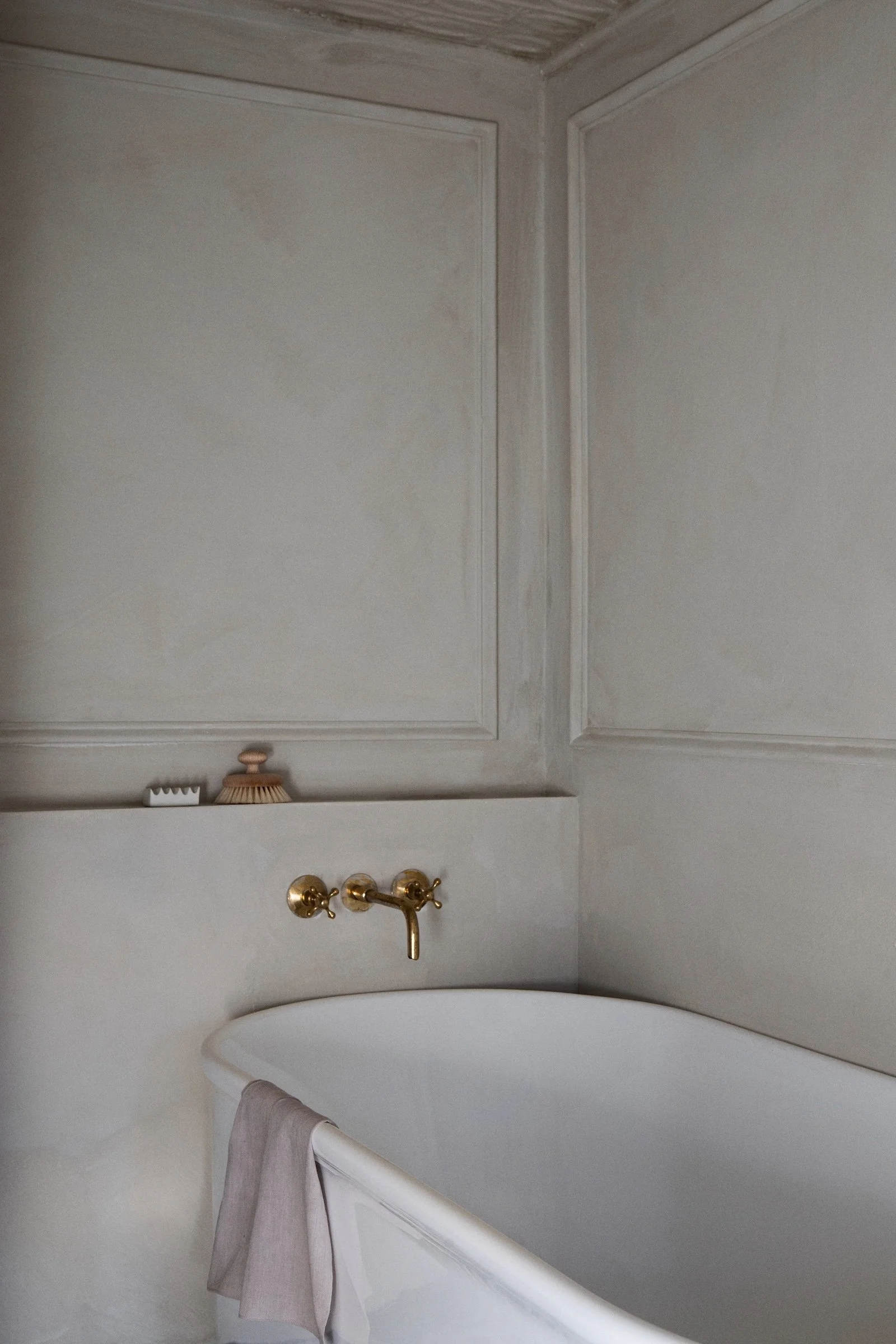
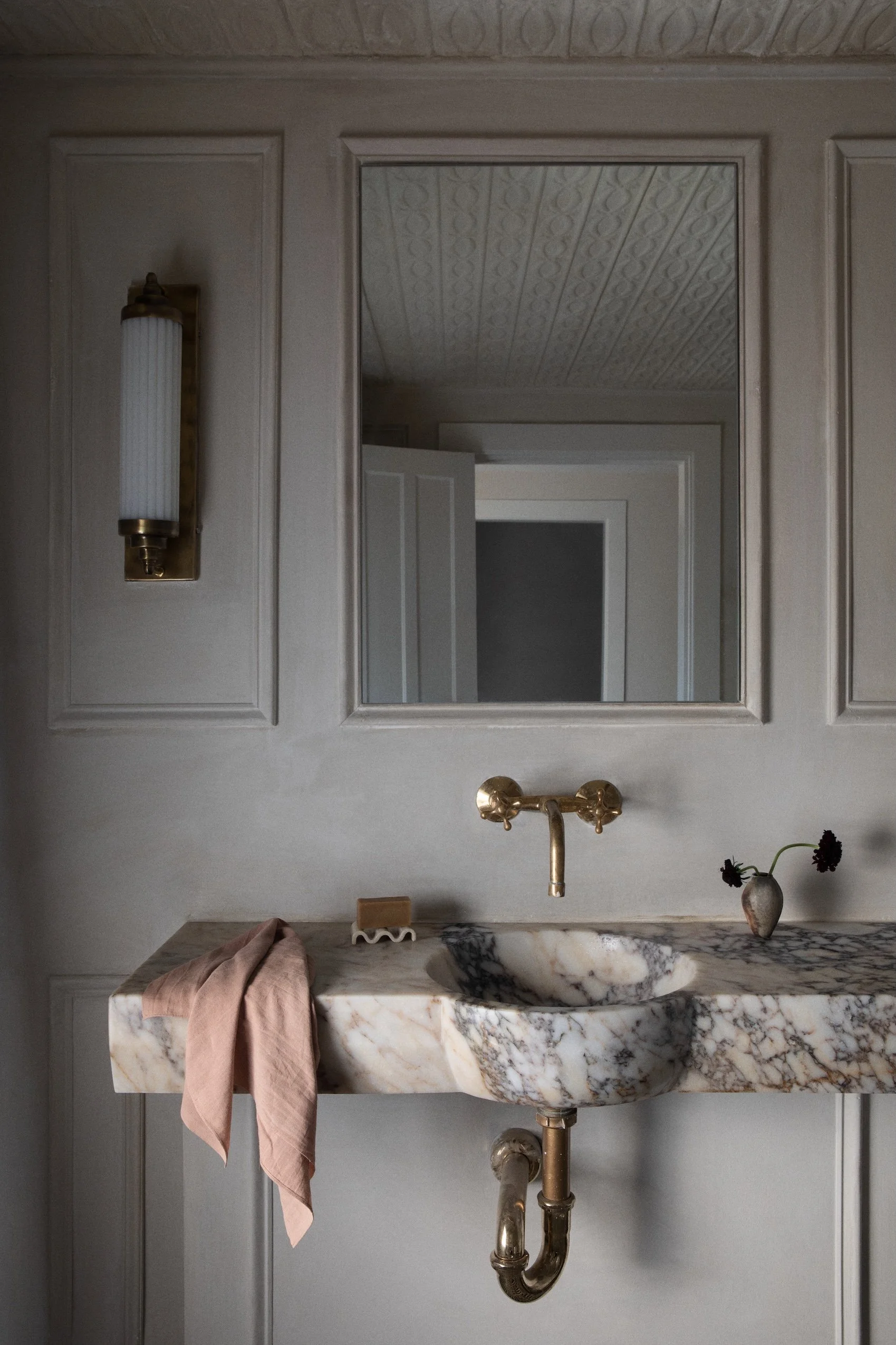
Not every important work arrives as a statement piece. Some enter life through repetition: a napkin, a tea towel, a pillow, a throw. The question behind this body of work was simple: what happens when the intelligence of Japanese textile tradition is allowed to live at the scale of everyday use?
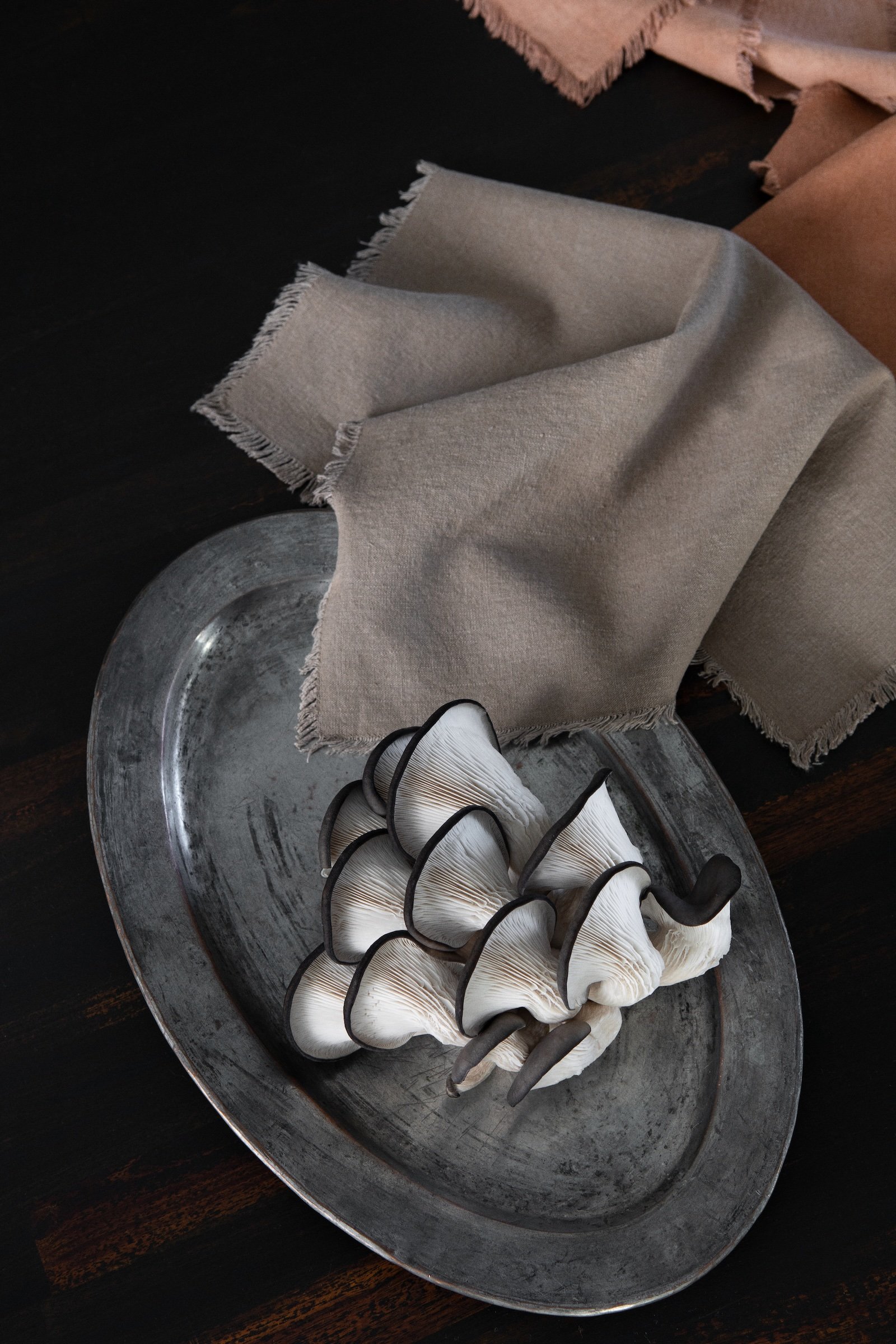
The collections bring together three distinct strands of making. In Amami Oshima, the artisans behind Oshima Tsumugi hand-dye kitchen linens using plants, brewed pigments, and repeated mud washes that give the cloth depth, softness, and tonal complexity. In Kyotango, the handwoven Strata piece emerges from a region shaped by silk production and the textile culture surrounding Tango Chirimen. In Kyoto, the gradated ombré pieces are dyed in persimmon tannin — the same dye, yet each yielding strikingly different colors and atmospheres. That variation is part of what makes the work so alive.
What links the three is not category, but approach. These are not generic household textiles upgraded through styling. They are works whose value begins in the making itself — in fiber, touch, weight, local knowledge, and the long chain of hands behind them. thé-En’s role is the same here as anywhere else: to understand the material, know the makers, and determine what should be made and how it should enter life.
Scale is part of their power. These are the works touched daily. They gather use, absorb time, and become part of ritual without announcement. This is where craft becomes most intimate — not in distance, but in closeness.
The aim is not to turn heritage into luxury product. It is to let material knowledge remain legible in contemporary living, so that legacy continues through use rather than sentiment.